Mostrando postagens com marcador David Herbert Lawrence. Mostrar todas as postagens

segunda-feira, 4 de fevereiro de 2019

D. H. Lawrence: Um conto de inverno

Resultado de imagem para Alguma Poesia — D. H. Lawrence, Seleção, Tradução e Introdução de Aíla de Oliveira Gomes, edição bilíngue,
____________________
[traduzido por Aíla de Oliveira Gomes]

Ontem os campos estavam grisalhos de neve
E agora só a grama mais alta emerge fina;
Mas na neve se marcam os fundos passos dela,
Rumo aos pinheiros ao pé da branca colina.

Não a vejo; a pálida mantilha de neblina
Encobre a floresta e o céu fosco, alaranjado.
Ela espera, porém, eu sei, gélida inquieta,
Com um quase soluço em cada arfar gelado.

Porque ela vem tão pronto, já que se aproxima
Do adeus inevitável, pois deve saber?
Íngreme a colina, a neve retém meus passos,
Porque ela vem, se sabe o que eu tenho a dizer?

Resultado de imagem para D. H. Lawrence
D. H. Lawrence

A Winter's Tale

Yesterday the fields were only grey with scattered snow,
And now the longest grass-leaves hardly emerge;
Yet her deep footsteps mark the snow, and go
On towards the pines at the hills’ white verge.

I cannot see her, since the mist’s white scarf
Obscures the dark wood and the dull orange sky;
But she’s waiting, I know, impatient and cold, half
Sobs struggling into her frosty sigh.

Why does she come so promptly, when she must know
She’s only the nearer to the inevitable farewell?
The hill is steep, on the snow my steps are slow 
Why does she come, when she knows what I have to tell?
____________________
Alguma Poesia — D. H. Lawrence, Seleção, Tradução e Introdução de Aíla de Oliveira Gomes, edição bilíngue, 1991, T. A. Queiroz Editor, São Paulo — SP; D. H. Lawrence ou David Herbert Lawrence (1885 — 1930),  inglês nascido em Nottingham  Reino Unido, foi professor primário, pintor, escritor ficcionista, ensaísta e poeta, com trânsito em quase todos os gêneros literários (romances, poemas, novelas, contos, peças de teatro, livros de viagens, traduções, livros sobre arte, crítica literária e cartas pessoais); escreveu e publicou O pavão branco (The White Peacock, romance, 1911), Filhos e amantes (romance, 1913), The Poems and others (poesia, 1913), The Widowing of Mrs. Holroyd (peça teatral, 1914), The Prussian Officer and Other Stories (contos, 1914), Amores (poesia, 1916), Look!  We have come through! (poesia, 1917), New Poems (1918), Mulheres apaixonadas (Women in Love, romance, 1920), Touch and Go (peça teatral, 1920), Movements in European History (não-ficção, 1921), Sea and Sardinia  (relato de viagem, 1921), Tortoises (poesia, 1921), England, My England and Other Stories (contos, 1922), Canguru (Kangoroo, romance, 1923), Studies en Classic American Literature (não-ficção, 1923), O raposo (The Fox, The Captain’s Doll, The Ladybird, 1923), Reflections on the Death of a Porcupine and other essays (ensaios, 1925), A serpente emplumada (The Plummed Serpent, romance, 1926), David (peça teatral, 1926), O amante de Lady Chatterley (Lady Chatterley’s Lover, romance, 1928), A virgem e o cigano (The Virgin and the Gipsy and Other Stories, contos, 1930), Last Poems (1932), The Married Man (peça teatral, 1940), além de diversos volumes de cartas e outros; traduziu Lev Shestov, Ivan Alekseyevich Bunin, Giovanni Verga e Antonio Francesco Grazzini.

segunda-feira, 3 de dezembro de 2018

D. H. Lawrence: A noiva

Resultado de imagem para Alguma Poesia — D. H. Lawrence, Seleção, Tradução e Introdução de Aíla de Oliveira Gomes, edição bilíngue,
____________________
[traduzido por Aíla de Oliveira Gomes]

Meu amor esta noite parece tão moça,
       Embora já seja idosa;
Nem é de ouro essa sua trança
       Que na almofada descansa,
É entreamada de filigrana prateada
       Numa algidez encantada.

Ela parece tão moça porque sua fronte
       É acetinada, formosa;
Sedosas são suas faces; e os olhos cerrados
       Dormem um sono extraordinário
Quedo sono sedutor, em quedo sacrário.

Ah! mas como uma noiva ela dorme a sonhar
       Coisas perfeitas e raras;
Minha amada jaz por fim na forma de um sonho,
       Sua boca morta a cantar,
Pelo jeito, como os tordos nas tardes claras.

Resultado de imagem para D. H. Lawrence
D. H. Lawrence

The Bride

My love looks like a girl to-night, 
       But she is old. 
The plaits that lie along her pillow 
       Are not gold, 
But threaded with filigree silver, 
       And uncanny cold.

She looks like a young maiden, since her brow 
       Is smooth and fair, 
Her cheeks are very smooth, her eyes are closed. 
       She sleeps a rare 
Still winsome sleep, so still, and so composed.

Nay, but she sleeps like a bride, and dreams her dreams 
       Of perfect things. 
She lies at last, the darling, in the shape of her dream, 
       And her dead mouth sings 
By its shape, like the thrushes in clear evenings.
____________________
Alguma Poesia — D. H. Lawrence, Seleção, Tradução e Introdução de Aíla de Oliveira Gomes, edição bilíngue, 1991, T. A. Queiroz Editor, São Paulo — SP; D. H. Lawrence ou David Herbert Lawrence (1885 — 1930),  inglês nascido em Nottingham  Reino Unido, foi professor primário, pintor, escritor ficcionista, ensaísta e poeta, com trânsito em quase todos os gêneros literários (romances, poemas, novelas, contos, peças de teatro, livros de viagens, traduções, livros sobre arte, crítica literária e cartas pessoais); escreveu e publicou O pavão branco (The White Peacock, romance, 1911), Filhos e amantes (romance, 1913), The Poems and others (poesia, 1913), The Widowing of Mrs. Holroyd (peça teatral, 1914), The Prussian Officer and Other Stories (contos, 1914), Amores (poesia, 1916), Look!  We have come through! (poesia, 1917), New Poems (1918), Mulheres apaixonadas (Women in Love, romance, 1920), Touch and Go (peça teatral, 1920), Movements in European History (não-ficção, 1921), Sea and Sardinia  (relato de viagem, 1921), Tortoises (poesia, 1921), England, My England and Other Stories (contos, 1922), Canguru (Kangoroo, romance, 1923), Studies en Classic American Literature (não-ficção, 1923), O raposo (The Fox, The Captain’s Doll, The Ladybird, 1923), Reflections on the Death of a Porcupine and other essays (ensaios, 1925), A serpente emplumada (The Plummed Serpent, romance, 1926), David (peça teatral, 1926), O amante de Lady Chatterley (Lady Chatterley’s Lover, romance, 1928), A virgem e o cigano (The Virgin and the Gipsy and Other Stories, contos, 1930), Last Poems (1932), The Married Man (peça teatral, 1940), além de diversos volumes de cartas e outros; traduziu Lev Shestov, Ivan Alekseyevich Bunin, Giovanni Verga e Antonio Francesco Grazzini.

segunda-feira, 4 de dezembro de 2017

D. H. Lawrence: Em abandono e desamparo

Resultado de imagem para Alguma Poesia — D. H. Lawrence, Seleção, Tradução e Introdução de Aíla de Oliveira Gomes, edição bilíngue,
____________________
[traduzido por Aíla de Oliveira Gomes]

A casa em silêncio, tarde da noite, eu sozinho;
               Do balcão
        Ouço o borborinho do Isar,
        Vejo a clara greta
Misteriosa do rio entre os pinhos, sob um céu de pedra.

Nas ondas do ar vogam alguns minúsculos
               Vagalumes.
        Eu me pergunto até onde
Vai essa escuridão que me consome.

(Enfim, vencemos!  1917)

Resultado de imagem para d h lawrence
D. H. Lawrence

Forsaken and forlorn

The house is silent, it is late at night, I am alone.
                 From the balcony
         I can hear the Isar moan
                 Can see the white
Rift of the river eerily, between the pines,  under a sky of stone.

Some fireflies drift  through the middle air
                 Tinily.
         I wonder where
Ends this darkness that annihilates me.

(Look! We have come through!, 1912-1916, publ. 1917)
____________________
Alguma Poesia — D. H. Lawrence, Seleção, Tradução e Introdução de Aíla de Oliveira Gomes, edição bilíngue, 1991, T. A. Queiroz Editor, São Paulo — SP; D. H. Lawrence ou David Herbert Lawrence (1885 — 1930),  inglês nascido em Nottingham — Reino Unido, foi professor primário, pintor, escritor ficcionista, ensaísta e poeta, com trânsito em quase todos os gêneros literários (romances, poemas, novelas, contos, peças de teatro, livros de viagens, traduções, livros sobre arte, crítica literária e cartas pessoais); escreveu e publicou O pavão branco (The White Peacock, romance, 1911), Filhos e amantes (romance, 1913), The Poems and others (poesia, 1913), The Widowing of Mrs. Holroyd (peça teatral, 1914), The Prussian Officer and Other Stories (contos, 1914), Amores (poesia, 1916), Look! We have come through! (poesia, 1917), New Poems (1918), Mulheres apaixonadas  (Women in Love, romance, 1920), Touch and Go (peça teatral, 1920),  Movements in European History  (não-ficção, 1921), Sea and Sardinia  (relato de viagem, 1921), Tortoises (poesia, 1921),  England, My England  and Other Stories (contos, 1922), Canguru (Kangoroo, romance, 1923), Studies en Classic American Literature (não-ficção, 1923), O raposo (The Fox, The Captain’s DollThe Ladybird, 1923),  Reflections on the Death of a Porcupine and other essays  (ensaios, 1925), A serpente emplumada (The Plummed Serpent, romance, 1926), David (peça teatral, 1926), O amante de Lady Chatterley (Lady Chatterley’s Lover, romance, 1928), A virgem e o cigano (The Virgin and the Gipsy and Other Stories, contos, 1930), Last Poems (1932), The Married Man (peça teatral, 1940), além de diversos volumes de cartas e outros; traduziu Lev Shestov, Ivan Alekseyevich Bunin, Giovanni Verga e Antonio Francesco Grazzini.

quarta-feira, 15 de novembro de 2017

D. H. Lawrence: As flores e os homens

Resultado de imagem para Alguma Poesia — D. H. Lawrence, Seleção, Tradução e Introdução de Aíla de Oliveira Gomes, edição bilíngue,
____________________
[traduzido por Aíla de Oliveira Gomes]

As flores atingem a sua “floridade”  e é um milagre,
Os homens não atingem a sua humanidade  e é uma pena.

Tudo que espero de vocês, homens e mulheres,
tudo o que de vocês espero
é que alcancem a sua própria beleza,
tal como as flores.

Ah! parem de dizer que eu os quero selvagens.
Digam-me, a genciana é selvagem no tope de sua rústica haste?
Oh! onde, em vocês, a resposta é esse azul?

(de M.Ps.)

Resultado de imagem para d. h. lawrence
D. H. Lawrence

Flowers and men

Flowers achieve their own floweriness and it is a miracle.
Men don’t achieve their own manhood, alas, oh alas, alas!

All I want of you, men and women,
all I want of you
is that you achieve your own beauty
as the flowers do.

Oh! leave off saying I want you to be savages.
Tell me, is the gentian savage, at the top of its coarse stem?
Oh what in you can answer to this blueness?

(from M. Ps.  More Pansies)
____________________
Alguma Poesia — D. H. Lawrence, Seleção, Tradução e Introdução de Aíla de Oliveira Gomes, edição bilíngue, 1991, T. A. Queiroz Editor, São Paulo — SP; D. H. Lawrence ou David Herbert Lawrence (1885 — 1930),  inglês nascido em Nottingham — Reino Unido, foi professor primário, pintor, escritor ficcionista, ensaísta e poeta, com trânsito em quase todos os gêneros literários (romances, poemas, novelas, contos, peças de teatro, livros de viagens, traduções, livros sobre arte, crítica literária e cartas pessoais); escreveu e publicou O pavão branco (The White Peacock, romance, 1911), Filhos e amantes (romance, 1913), The Poems and others (poesia, 1913), The Widowing of Mrs. Holroyd (peça teatral, 1914), The Prussian Officer and Other Stories (contos, 1914), Amores (poesia, 1916), Look! We have come through! (poesia, 1917), New Poems (1918), Mulheres apaixonadas  (Women in Love, romance, 1920), Touch and Go (peça teatral, 1920),  Movements in European History (não-ficção, 1921), Sea and Sardinia  (relato de viagem, 1921), Tortoises (poesia, 1921), England, My England and Other Stories (contos, 1922), Canguru (Kangoroo, romance, 1923), Studies en Classic American Literature (não-ficção, 1923), O raposo (The FoxThe Captain’s DollThe Ladybird1923), Reflections on the Death of a Porcupine and other essays (ensaios, 1925), A serpente emplumada (The Plummed Serpent, romance, 1926),  David (peça teatral, 1926), O amante de Lady Chatterley (Lady Chatterley’s Lover, romance, 1928), A virgem e o cigano (The Virgin and the Gipsy and Other Stories, contos, 1930), Last Poems (1932), The Married Man (peça teatral, 1940), além de diversos volumes de cartas e outros; traduziu Lev Shestov, Ivan Alekseyevich Bunin, Giovanni Verga e Antonio Francesco Grazzini.

sábado, 5 de novembro de 2016

D. H. Lawrence: Labor Matinal

Resultado de imagem para Alguma Poesia — D. H. Lawrence, Seleção, Tradução e Introdução de Aíla de Oliveira Gomes, edição bilíngue,
____________________
[traduzido por Aíla de Oliveira Gomes]

Um bando de operários lidando na pilha
de madeira molhada, que brilha qual sangue
no desvio, ao longo dos trilhos da estrada,
transformam o azul da manhã em algo feérico.
Os troles vão e vêm; como bobinas rubro-
douradas, mãos e rostos vêm e vão também
contra a alta moldura cristalina do dia.
Vozes ressoam em cantoria na cerúlea
cava da mina; e todos riem em sua labuta 
vivendo o seu trabalho como uma folia.

Resultado de imagem para d. h. lawrence
D. H. Lawrence

Morning Work

A gang of labourers on the piled wet timber
That shines blood-red beside the railway siding
Seem to be making out of the blue of the morning
Something faery and fine, the shuttles sliding,

The red-gold spools of their hands and their faces swinging
Hither and thither across the high crystalline frame
Of day: trolls at the cave of ringing cerulean mining
And laughing with labour, living their work like a game.

____________________
Alguma Poesia  D. H. Lawrence, Seleção, Tradução e Introdução de Aíla de Oliveira Gomes, edição bilíngue, 1991, T. A. Queiroz Editor, São Paulo — SP; D. H. Lawrence ou David Herbert Lawrence (1885 1930), inglês nascido em Nottingham  Reino Unido, foi professor primário, pintor, escritor ficcionista, ensaísta e poeta, com trânsito em quase todos os gêneros literários (romances, poemas, novelas, contos, peças de teatro, livros de viagens, traduções, livros sobre arte, crítica literária e cartas pessoais); escreveu e publicou O pavão branco (The White Peacock, romance, 1911), Filhos e amantes (romance, 1913), The Poems and others (poesia, 1913), The Widowing of Mrs. Holroyd (peça teatral, 1914), The Prussian Officer and Other Stories  (contos, 1914), Amores (poesia, 1916), Look! We have come through!  (poesia, 1917), New Poems (1918), Mulheres apaixonadas  (Women in Love, romance, 1920), Touch and Go (peça teatral, 1920), Movements in European History (não-ficção, 1921), Sea and Sardinia (relato de viagem, 1921), Tortoises (poesia, 1921), England, My England and Other Stories (contos, 1922), Canguru (Kangoroo, romance, 1923), Studies en Classic American Literature (não-ficção, 1923), O raposo (The Fox, The Captain’s Doll, The Ladybird, 1923), Reflections on the Death of a Porcupine and other essays (ensaios, 1925), A serpente emplumada (The Plummed Serpent, romance, 1926), David (peça teatral, 1926), O amante de Lady Chatterley (Lady Chatterley’s Lover, romance, 1928), A virgem e o cigano (The Virgin and the Gipsy and Other Stories, contos, 1930), Last Poems (1932), The Married Man (peça teatral, 1940), além de diversos volumes de cartas e outros; traduziu Lev Shestov, Ivan Alekseyevich Bunin, Giovanni Verga e Antonio Francesco Grazzini.

terça-feira, 25 de outubro de 2016

D. H. Lawrence: Piano

Resultado de imagem para Alguma Poesia — D. H. Lawrence, Seleção, Tradução e Introdução de Aíla de Oliveira Gomes, edição bilíngue,
____________________
[traduzido por Aíla de Oliveira Gomes]

Cai a tarde e uma mulher canta para mim ternamente
E eu vejo, escorregando pelo cenário dos anos,
Um menino no chão, junto ao piano, onde as cordas
Ressoam retumbando; ele calcando os pés da mãe
Que toca e canta sorridente.

Sem que eu queira, o domínio da canção aliciante
Faz-me recuar; o coração soluça, quer voltar
Às velhas tardes de domingo de inverno no lar
E aos hinos cadenciados pelo martelar do piano,
Em nossa sala aconchegante.

Inútil que a cantora agora aumente o seu ardor
Ao appassionato do longo, negro piano. Tomado
Do encanto da minha infância, foi-se o viril vigor
Água abaixo da lembrança, e eu choro uma criança
Com saudade do meu passado.

Resultado de imagem para D. H. Lawrence
D. H. Lawrence

Piano

Softly, in the dusk, a woman is singing to me;
Taking me back down the vista of years, till I see
A child sitting under the piano, in the boom of the tingling strings
And pressing the small, poised feet of a mother who smiles as she sings.

In spite of myself, the insidious mastery of song
Betrays me back, till the heart of me weeps to belong
To the old Sunday evenings at home, with winter out-side
And hymns in the cosy parlour, the tinkling piano our guide.

So now it is vain for the singer to burst into clamour
With the great black piano appassionato.
The glamour
Of childish days is upon me, my manhood is cast
Down in the flood of remembrance, I weep like a child for the past.

1918
____________________
Alguma Poesia D. H. Lawrence Seleção, Tradução e Introdução de Aíla de Oliveira Gomes, edição bilíngue, 1991, T. A. Queiroz Editor, São Paulo — SP; D. H. Lawrence ou David Herbert Lawrence (1885 1930), inglês nascido em Nottingham Reino Unido, foi professor primário, pintor, escritor ficcionista, ensaísta e poeta, com trânsito em quase todos os gêneros literários (romances, poemas, novelas, contos, peças de teatro, livros de viagens, traduções, livros sobre arte, crítica literária e cartas pessoais); escreveu e publicou O pavão branco (The White Peacock, romance, 1911), Filhos e amantes (romance, 1913), The Poems and others (poesia, 1913), The Widowing of Mrs. Holroyd (peça teatral, 1914), The Prussian Officer and Other Stories (contos, 1914), Amores (poesia, 1916), Look! We have come through! (poesia, 1917), New Poems (1918), Mulheres apaixonadas (Women in Love, romance, 1920), Touch and Go (peça teatral, 1920), Movements in European History (não-ficção, 1921), Sea and Sardinia (relato de viagem, 1921), Tortoises (poesia, 1921), England, My England and Other Stories (contos, 1922), Canguru (Kangoroo, romance, 1923), Studies en Classic American Literature (não-ficção, 1923), O raposo (The Fox, The Captain’s Doll, The Ladybird, 1923), Reflections on the Death of a Porcupine and other essays (ensaios, 1925), A serpente emplumada (The Plummed Serpent, romance, 1926), David (peça teatral, 1926), O amante de Lady Chatterley (Lady Chatterley’s Lover, romance, 1928), A virgem e o cigano (The Virgin and the Gipsy and Other Stories, contos, 1930), Last Poems (1932), The Married Man (peça teatral, 1940), além de diversos volumes de cartas e outros; traduziu Lev Shestov, Ivan Alekseyevich Bunin, Giovanni Verga e Antonio Francesco Grazzini.
quarta-feira, 21 de setembro de 2016

D. H. Lawrence: A indecência pode ser saudável

____________________
[traduzido por José Paulo Paes]

A indecência pode ser normal, saudável;
na verdade, um pouco de indecência é necessário em toda vida
para a manter normal, saudável.

E um pouco de putaria pode ser normal, saudável.
Na verdade, um pouco de putaria é necessário em toda vida
para a manter normal, saudável.

Mesmo a sodomia pode ser normal, saudável,
desde que haja troca de sentimento verdadeiro.

Mas se alguma delas for para o cérebro, aí se torna perniciosa:
a indecência no cérebro se torna obscena, viciosa,
a putaria no cérebro se torna sifilítica
e a sodomia no cérebro se torna uma missão,
tudo, vício, missão, insanamente mórbido.

Do mesmo modo, a castidade na hora própria é normal e bonita.
Mas a castidade no cérebro é vício, perversão.
E a rígida supressão de toda e qualquer indecência, putaria e relações assim

leva direto a furiosa insanidade.
E a quinta geração de puritanos, se não for obscenamente depravada,
é idiota. Por isso, você tem de escolher.

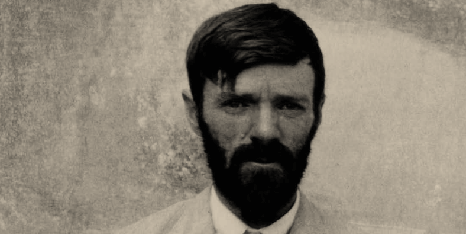
Resultado de imagem para D. H. Lawrence
D. H. Lawrence

Bawdy can be sane

Bawdy can be sane and wholesome,
in fact a little bawdy is necessary in every life
to keep it sane and wholesome.

And a little whoring can be sane and wholesome.
In fact a little whoring is necessary in every life
to keep it sane and wholesome.

Even sodomy can be sane and wholesome
granted there is an exchange of genuine feeling.

But get any of them on the brain, and they become pernicious:
bawdy on the brain becomes obscenity, vicious.
Whoring on the brain becomes really syphilitic
and sodomy on the brain becomes a mission,
all the lot of them, vice, missions, etc., insanely unhealthy.

In the same way, chastity in its hour is sweet and wholesome.
But chastity on the brain is a vice, a perversion.
And rigid suppression of all bawdy, whoring or other such commerce
is a straight way to raving insanity.
The fifth generation of puritans, when it isn't obscenely profligate,
is idiot. so you've got to choose.
____________________
Poesia Erótica (vários autores) — Seleção, Introdução, Tradução e Notas de José Paulo Paes, 2006, 1ª  edição, Companhia de Bolso, São Paulo — SP; D. H. Lawrence, ou David Herbert Lawrence (1885 — 1930), inglês nascido em Nottingham — Reino Unido, foi professor primário, escritor ficcionista, ensaísta, poeta e pintor; sua obra transita em quase todos os gêneros literários (romances, poemas, novelas, contos, peças de teatro, livros de viagens, traduções, livros sobre arte, crítica literária e cartas pessoais); escreveu e publicou O pavão branco (The White Peacock, romance, 1911), Filhos e amantes (romance, 1913), The Poems and others (poesia, 1913), The Widowing of Mrs. Holroyd (peça teatral, 1914), The Prussian Officer and Other Stories (contos, 1914), Amores (poesia, 1916), Look! We have come through! (poesia, 1917), New Poems (1918), Mulheres apaixonadas (Women in Love, romance, 1920), Touch and Go (peça teatral, 1920), Movements in European History (não-ficção, 1921), Sea and Sardinia (relato de viagem, 1921), Tortoises (poesia, 1921), England, My England and Other Stories (contos, 1922), Canguru (Kangoroo, romance, 1923), Studies en Classic American Literature (não-ficção, 1923), O raposo (The Fox, The Captain’s Doll, The Ladybird, contos, 1923), Reflections on the Death of a Porcupine and other essays (ensaios, 1925), A serpente emplumada (The Plummed Serpent, romance, 1926), David (peça teatral, 1926), O amante de Lady Chatterley (Lady Chatterley’s Lover, romance, 1928), A virgem e o cigano (The Virgin and the Gipsy and Other Stories, contos, 1930), Last Poems (1932), The Married Man (peça teatral, 1940), além de diversos volumes de cartas e outros; traduziu Lev Shestov, Ivan Alekseyevich Bunin, Giovanni Verga e Antonio Francesco Grazzini.